
Author: Lane Ogden


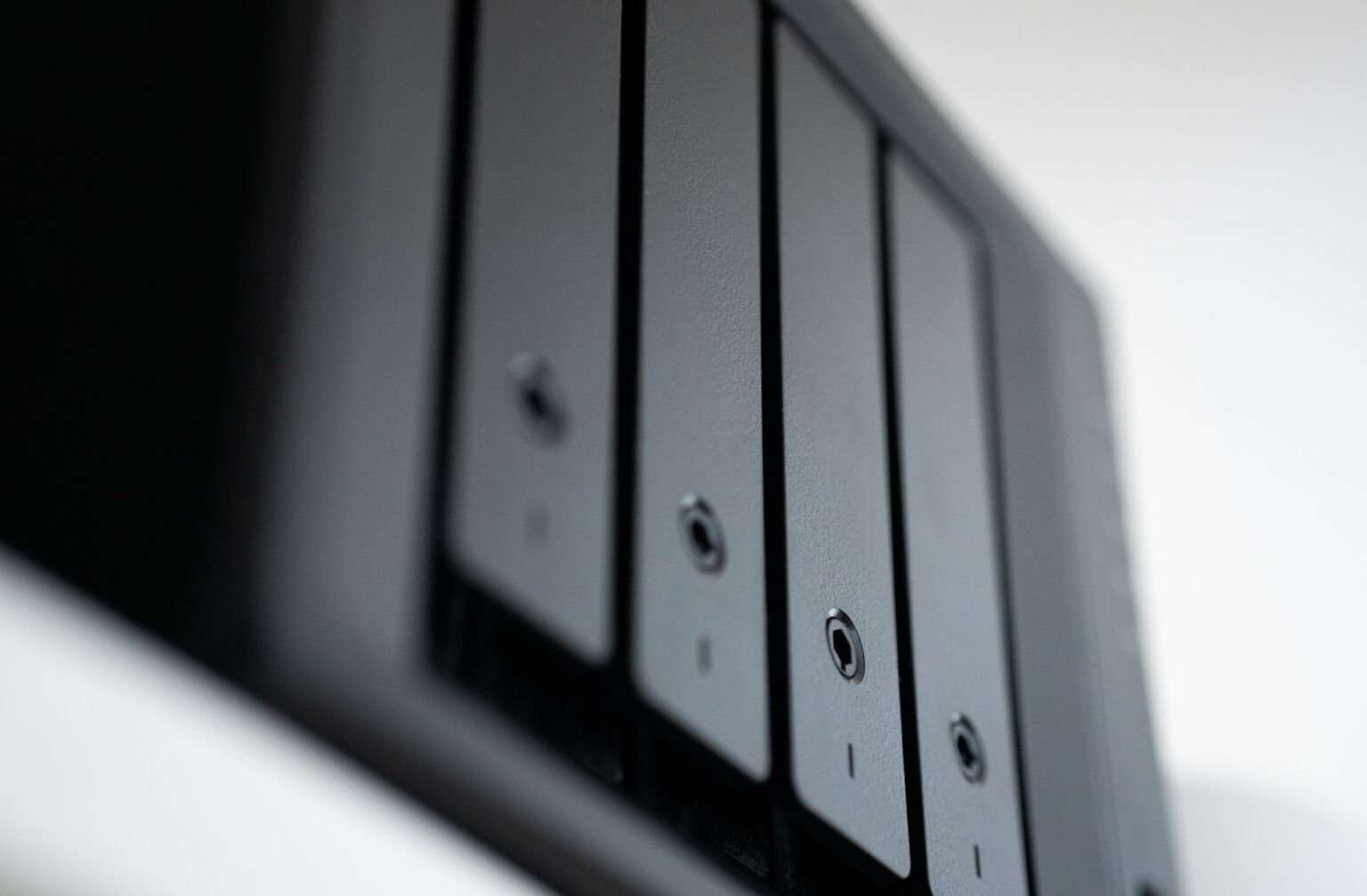
Most people’s backup plan is one external drive in a drawer and a vague intention to plug it in. Kopia replaces that with encrypted, deduplicated snapshots from every laptop, desktop, and server you own, sent to storage you control. Photo by Kalistro / Pexels Why Kopia Suits a House Full of Devices Kopia is an open-source backup tool written in Go. It ships as a command-line program and as KopiaUI, a desktop app for Windows, macOS, and Linux. Every platform uses the same repository format, so a snapshot taken on a Windows laptop can be restored on a Linux server…
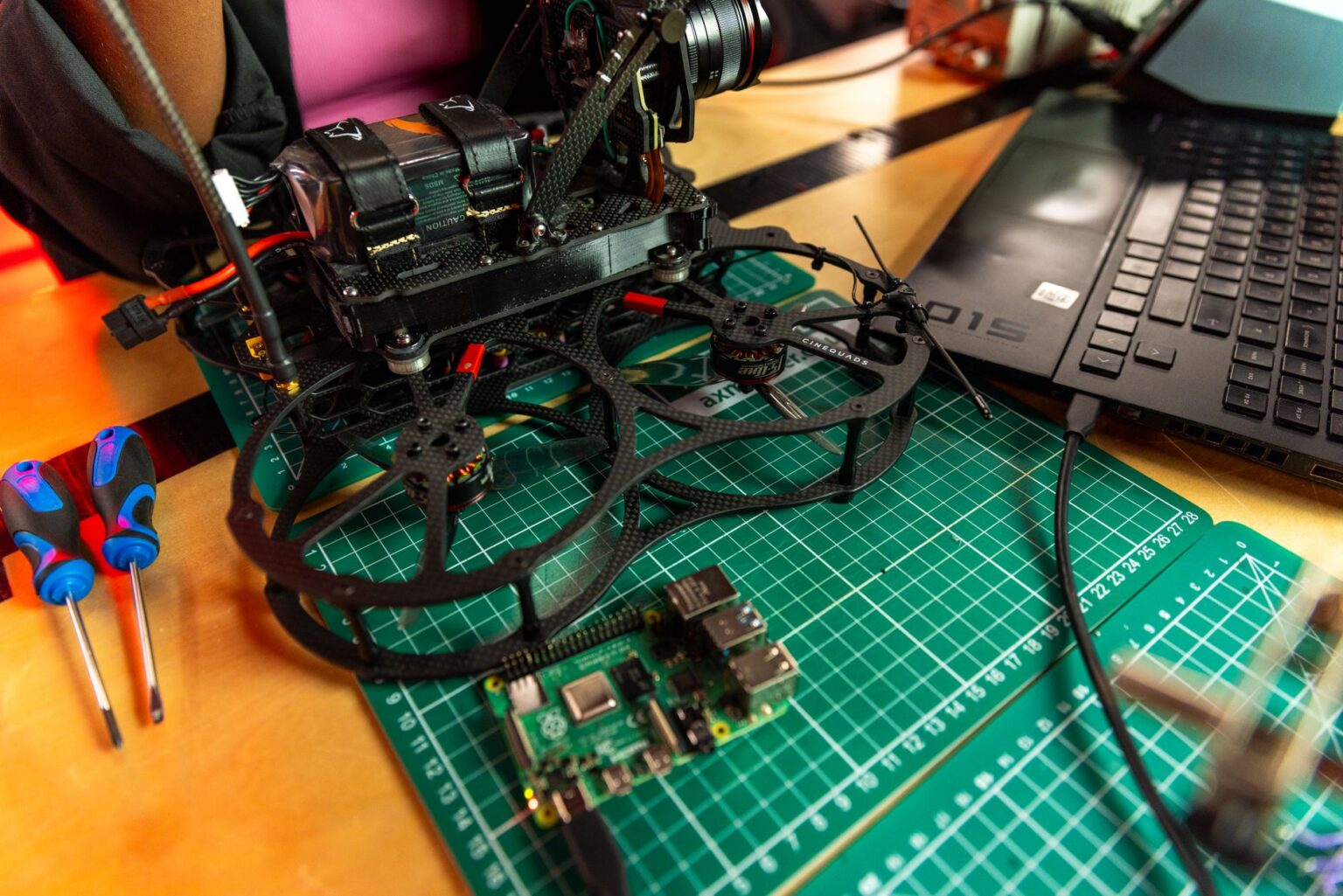
Repurpose an idle Raspberry Pi as a Tailscale subnet router and reach printers, NAS drives, and cameras from anywhere without installing a client on each.
Register an act_runner with Docker Compose, write a deploy workflow, and keep your homelab safe while Gitea handles the repetitive work.
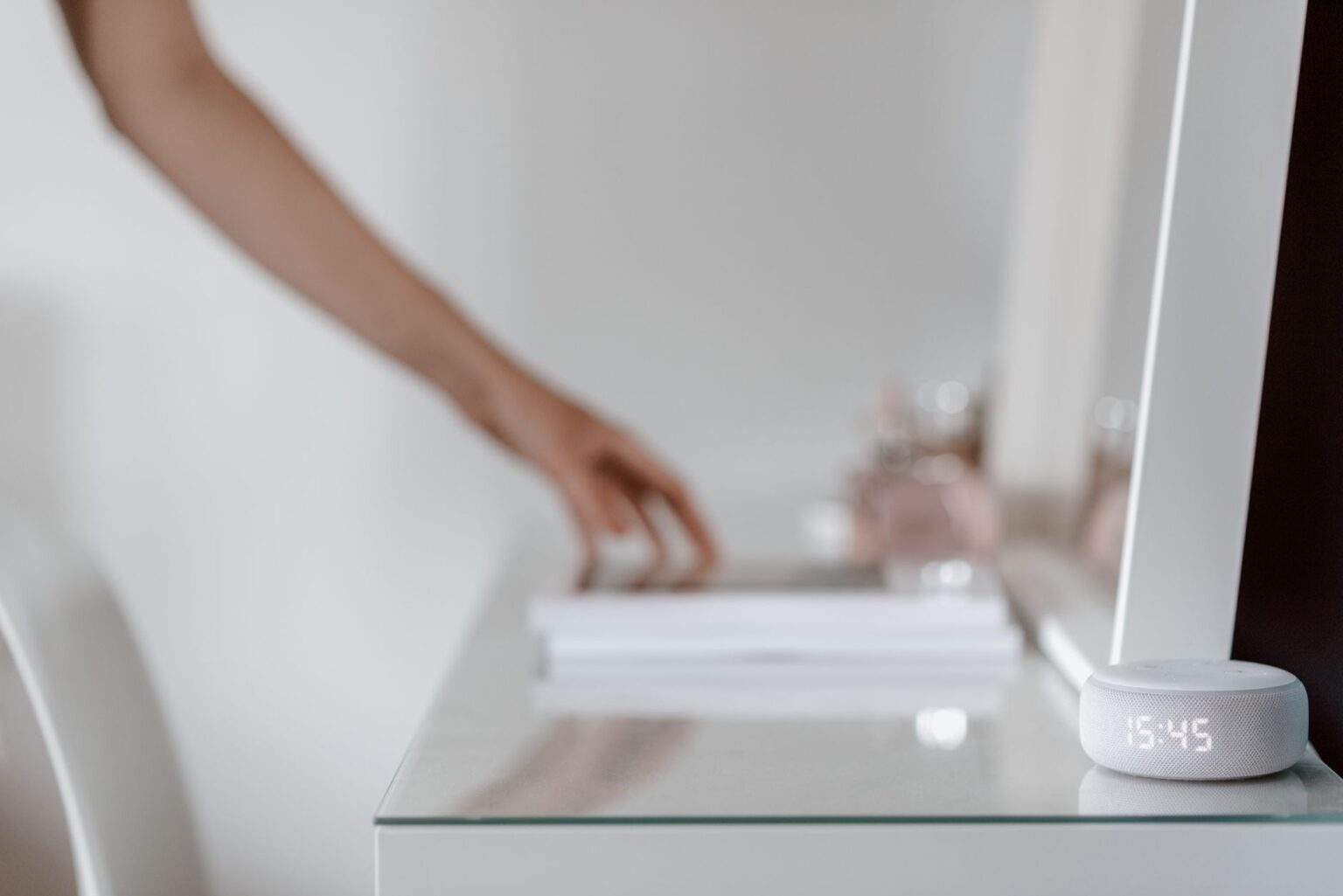
Replace Alexa with a $59 Home Assistant puck that keeps wake word, speech recognition, and replies inside your home. Here is the full setup.
Run your own single sign-on with authentik. This guide covers the Docker Compose install, first login, and connecting your first self-hosted app.
Skip router port forwarding. Pangolin pairs a cheap VPS with WireGuard tunnels to publish home services behind built-in authentication.

Turn a pile of paper into a searchable archive. This guide walks through installing Paperless-ngx with Docker, scanning, and auto-tagging.

Ditch the subscriptions. Audiobookshelf runs on a spare machine and serves your audiobooks and podcasts to every device you own.

Link rot eats saved recipes and articles. Linkwarden is a self-hosted tool that keeps private copies of every page you save.

A backup you have never restored is a guess, and most home setups are guesses held together by an external drive in a desk drawer. Photo by RDNE Stock project / Pexels Why Restic and Backblaze B2 Work Well Together Restic is an open-source command-line backup tool that encrypts your data on your own machine before anything leaves it. It splits files into chunks and uploads only the chunks it has not stored before. That deduplication means a new snapshot of a large photo library, where a handful of files changed, adds almost nothing to your storage bill. Every snapshot…